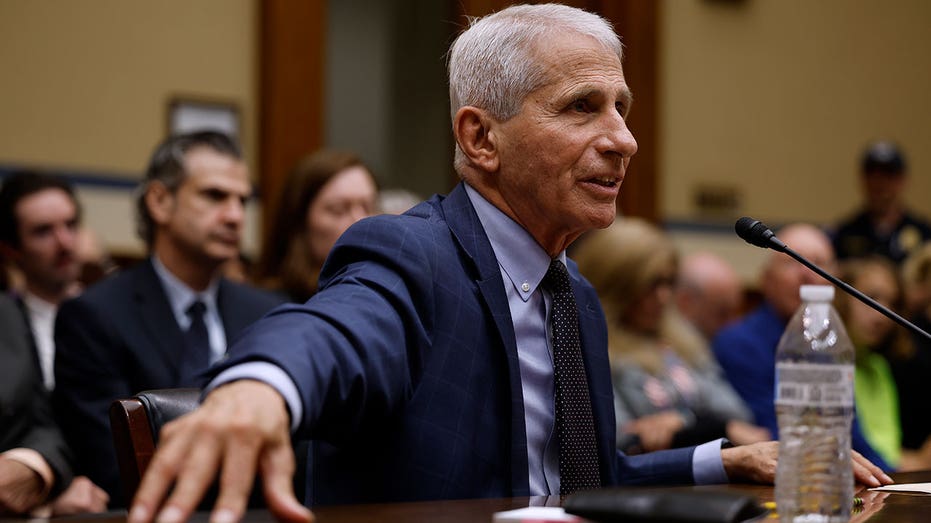
Fauci Diary Entries on Fame Ignored by Major News Networks
Anthony Fauci's private diary entries revealing a preoccupation with fame during the COVID-19 pandemic were largely overlooked by major news outlets.
Newly surfaced diary entries from Dr. Anthony Fauci, the former director of the National Institute of Allergy and Infectious Diseases, suggest a significant focus on personal fame and public perception during the height of the COVID-19 pandemic. The entries, detailed in a report, indicate a preoccupation with media appearances and his public image.
These private reflections offer a stark contrast to the public persona of Dr. Fauci as a dedicated public servant navigating a global health crisis. The diary entries reportedly reveal a desire for continued media spotlight and a concern for how his actions and image were being portrayed, particularly in late 2020 and early 2021.
The content of these entries, which reportedly include discussions of his television appearances and the "celebrity status" he felt he had attained, have drawn attention due to their timing. During this period, the nation was grappling with record-breaking infection rates, hospitalizations, and deaths, alongside the rollout of new vaccines.
Despite the sensitive and potentially revealing nature of these personal reflections, major news networks, including ABC, NBC, CBS, and CNN, have reportedly given minimal coverage to these specific diary entries. This lack of widespread reporting has prompted questions about media priorities and the scrutiny applied to public health figures.
Experts in media analysis and public health have noted the significance of such private thoughts from a prominent figure during a national emergency. They suggest that understanding the motivations and perceptions of key decision-makers can provide crucial context for public policy and trust during crises.
The unearthed entries reportedly document Fauci's own observations about his elevated profile, including mentions of his perceived "celebrity" status and the impact of his frequent media engagements. These personal accounts are seen by some as offering a different perspective on the mindset of those at the forefront of the pandemic response.
Further examination of the diary entries could shed light on the psychological pressures and personal considerations that may have influenced public health messaging and strategy. The extent to which personal ambition or a desire for public recognition played a role alongside scientific guidance remains a point of discussion.
The silence from several major media outlets on these specific diary revelations leaves a gap in the public's understanding of Dr. Fauci's personal reflections during a critical period. The implications of this oversight may affect how historical accounts of the pandemic are shaped and the level of transparency expected from public health leaders.
This article was written by AI based on publicly available news reporting. Original reporting by the linked source.