House Panel to Investigate Foreign 'Trojan Horse' Influence Operations
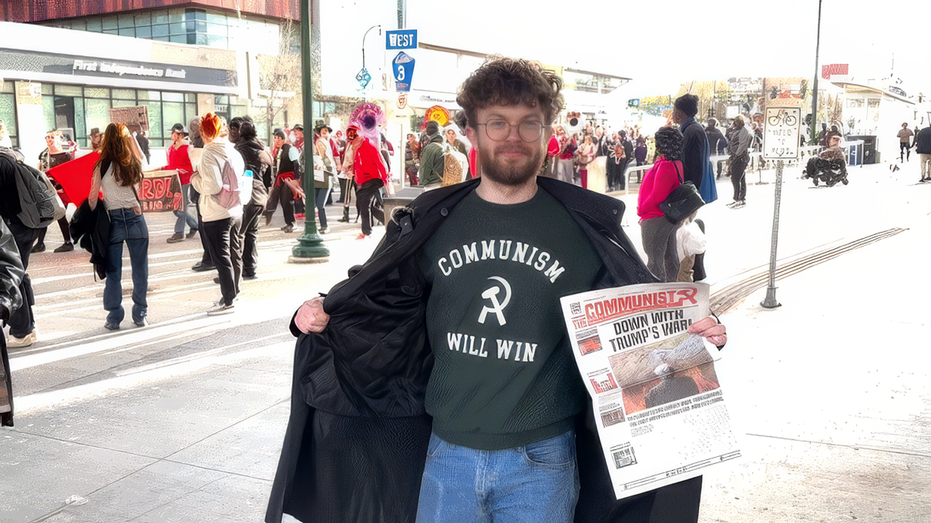
A House committee will probe covert foreign influence campaigns, expanding scrutiny to include individuals like Michael Singham.
The House Judiciary Committee has announced plans to investigate covert foreign influence operations, often described as 'Trojan horse' tactics, that aim to manipulate public discourse and policy within the United States. The probe will examine how foreign adversaries may be leveraging individuals and organizations to advance their agendas domestically.
This expanded scrutiny comes as the committee widens its focus beyond traditional espionage and cyber warfare. The concept of 'Trojan horse' operations refers to insidious methods where foreign entities embed themselves within legitimate-seeming organizations or movements to exert influence without revealing their true origins or objectives. These tactics can range from funding front groups to disseminating propaganda through seemingly independent media outlets.
The committee's investigation is expected to delve into specific cases and methodologies employed by foreign adversaries. While the announcement did not name specific countries, the focus on influence operations suggests concerns about nations seeking to undermine democratic processes or sow discord. The inclusion of Michael Singham in the scrutiny indicates a particular interest in individuals who may have facilitated or been involved in such activities, either knowingly or unknowingly.
Potential implications of the investigation include proposed legislative measures to enhance transparency around foreign funding of domestic organizations and stricter penalties for those found to be engaged in covert influence campaigns. Experts suggest that the committee's findings could lead to a reevaluation of existing laws and regulations designed to protect national security and democratic integrity from foreign interference.
Sources indicate that the committee is particularly interested in understanding the financial and operational networks that support these covert influence efforts. The goal is to identify vulnerabilities in the U.S. system that foreign actors exploit. This includes examining how sophisticated disinformation campaigns are launched and sustained, often utilizing social media and other digital platforms.
Public figures and watchdog groups have long expressed concerns about foreign interference in U.S. elections and policy debates. The committee's investigation aims to provide a comprehensive overview of the threat landscape and to hold accountable those responsible for attempting to subvert American sovereignty through deceptive means.
The scope of the inquiry is likely to involve reviewing intelligence reports, interviewing experts in national security and foreign policy, and potentially holding public hearings. The committee intends to shed light on the sophisticated and evolving nature of foreign influence operations targeting the United States.
As the investigation unfolds, it raises critical questions about the balance between free speech and national security, and how to effectively counter covert foreign influence without infringing on legitimate political discourse and advocacy. The committee's work is expected to be a significant step in addressing these complex challenges.
This article was written by AI based on publicly available news reporting. Original reporting by the linked source.