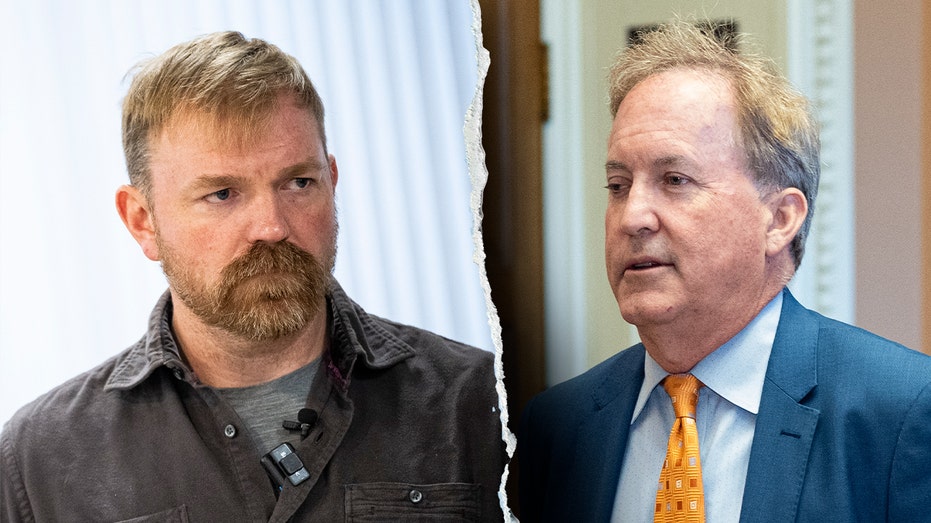
Hypocrisy on Scandals: Platner and Paxton Highlight Bipartisan Double Standards
Graham Platner and Ken Paxton cases reveal how both parties often overlook scandals, prioritizing political expediency over ethical consistency.
The recent controversies surrounding Graham Platner and Ken Paxton have exposed a pervasive pattern of hypocrisy within American politics, where ethical standards are frequently applied selectively depending on partisan affiliation and political convenience.
Both Democrats and Republicans have demonstrated a tendency to either condemn or defend individuals accused of misconduct based on their political alignment rather than the gravity of the alleged offenses. This dual approach suggests that accusations of scandal are often weaponized for political gain, while similar transgressions by allies are downplayed or excused.
In the case of Graham Platner, the scrutiny he faced from Democrats highlighted a commitment to accountability. However, critics point out that similar accusations against politicians within the Democratic party have often been met with less severe public condemnation or have been quickly moved past. This selective outrage fuels perceptions of a rigged system where rules apply differently to different political factions.
Similarly, Ken Paxton's legal troubles and impeachment proceedings have become a focal point for discussions about ethics in public service. While many Republicans have called for accountability, a significant portion of the party has rallied behind Paxton, often framing the accusations as politically motivated attacks. This defense mirrors past instances where Democrats have defended their own party members facing similar ethical challenges.
This bipartisan hypocrisy erodes public trust in political institutions and the integrity of the individuals who serve in them. When voters perceive that scandals are judged by political affiliation rather than by objective ethical standards, it can lead to cynicism and disengagement from the political process.
Experts suggest that this phenomenon is not new but has become increasingly pronounced in the hyper-partisan environment of contemporary American politics. The focus often shifts from substantive policy debates to character assassination and defense, with party loyalty frequently trumping ethical considerations.
The implications of this trend are significant. It can lead to the election or continued support of individuals with questionable ethical backgrounds, potentially impacting governance and policy outcomes. Furthermore, it creates a confusing and inconsistent message for the public regarding the expected standards of conduct for elected officials.
Moving forward, the challenge for both parties, and for the electorate, will be to foster a political culture that prioritizes genuine accountability and consistent ethical standards, regardless of party lines. Without such a shift, the politics of hypocrisy is likely to remain a defining characteristic of the American political landscape.
This article was written by AI based on publicly available news reporting. Original reporting by the linked source.