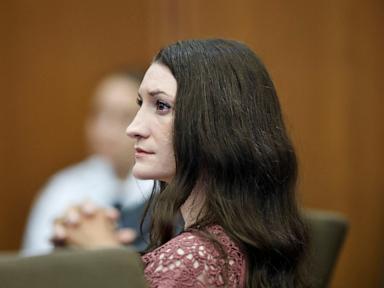
Judge Denies Clancy Attorneys' Bid to Question Holdout Juror
A Massachusetts judge denied defense lawyers' request to question a holdout juror in Lindsay Clancy's triple-murder trial, which ended in a mistrial.
A Massachusetts judge has denied a request from the defense team of Lindsay Clancy, a mother accused of killing her three children, to question the lone holdout juror whose dissent led to a mistrial in her case. The decision by Judge William Sullivan on Wednesday means the defense cannot investigate the actions or reasoning of the juror who prevented a unanimous verdict.
Clancy’s trial for the deaths of her 5-year-old daughter Cora, 3-year-old son Dawson, and infant son Callan at their Duxbury home on January 24, 2023, concluded last month with a mistrial. The jury was reportedly split 11-1 in favor of a "not guilty by reason of insanity" verdict, but the single dissenting juror prevented a unanimous decision.
Following the mistrial, Clancy's attorneys sought to have the indictment dismissed. They argued that the judge failed to properly investigate the holdout juror before declaring the mistrial. The defense requested an evidentiary hearing to explore allegations that this juror may have lied on the initial questionnaire, used a phone during deliberations, or disregarded the judge's instructions.
However, Judge Sullivan ruled that any further judicial inquiry into the juror's conduct would be inappropriate. He stated that courts are prohibited from delving into a juror's subjective reasoning, thought processes, views on the case, or relationships with other jurors. The judge emphasized the need to protect the jury's deliberative content and collective thought process from scrutiny.
Clancy, a former nurse, pleaded not guilty to three murder charges. Her defense has centered on the argument that she was suffering from postpartum psychosis, a severe psychiatric emergency, at the time of her children's deaths. The prosecution's case has focused on whether she should be held criminally liable for the killings.
On the night her children died, Clancy also attempted suicide, leaving her paralyzed and requiring a wheelchair. Her medical condition and mental state during the alleged crimes have been central to the testimony and legal arguments throughout the seven-week trial.
The case has garnered significant public attention, particularly concerning the complexities of mental health defenses in criminal proceedings. The mistrial highlighted the challenges juries face when deliberating on cases involving severe mental illness.
Lindsay Clancy is still scheduled to appear in court on November 2 for the next hearing in the case. The prosecution will now need to decide whether to pursue a new trial, while the defense continues to explore legal avenues to challenge the charges.
This article was written by AI based on publicly available news reporting. Original reporting by the linked source.