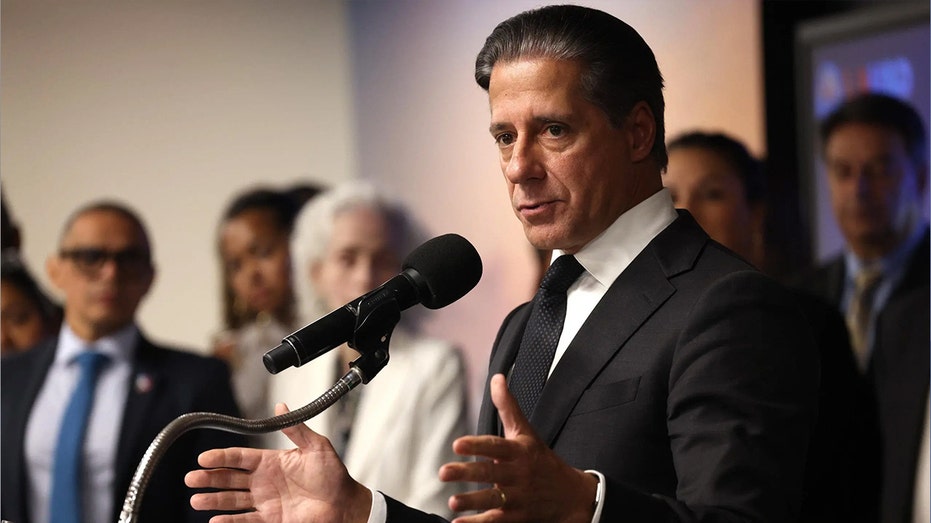
LA Schools Superintendent Alberto Carvalho Resigns Amid FBI Probe
Los Angeles Unified School District Superintendent Alberto Carvalho has resigned, citing an FBI investigation into his past.
Los Angeles Unified School District Superintendent Alberto Carvalho announced his resignation Tuesday, following reports of an FBI investigation into his past.
Carvalho, who has led the nation's second-largest school district since 2018, submitted his resignation to the school board, effective immediately. The reasons for his departure center on an ongoing FBI inquiry into his personal history, details of which have not been fully disclosed.
Sources familiar with the matter indicated that the FBI's interest stems from allegations related to Carvalho's past, though the specific nature of these allegations remains unclear. The superintendent has been a prominent figure in public education, known for his reform efforts in the Miami-Dade school system before his move to Los Angeles.
Carvalho's resignation has sent ripples through the educational community, raising questions about the leadership and stability of the Los Angeles Unified School District. The school board is expected to address the leadership transition and the implications of the FBI probe in the coming days.
Prior to his tenure in Los Angeles, Carvalho served as superintendent of Miami-Dade County Public Schools for over a decade. During his time in Miami, he was lauded for improving graduation rates and student achievement. However, his appointment in Los Angeles was not without controversy, with some critics raising concerns about his background.
The FBI has not officially commented on the investigation. Representatives for Carvalho have stated that he is cooperating fully with the inquiry and intends to address the situation further at an appropriate time.
The Los Angeles Unified School District Board of Education has not yet named an interim superintendent. The board faces the immediate challenge of navigating this leadership vacuum while ensuring the continued operation and educational mission of the district.
This development marks a significant disruption for a district already grappling with complex educational challenges, including student learning loss, budget constraints, and ongoing debates about curriculum and school safety.
This article was written by AI based on publicly available news reporting. Original reporting by the linked source.