Nicki Minaj Urges Young Americans to 'Vote Red' in 2026 Midterms
Rapper Nicki Minaj encouraged young Americans to support the Republican party in the upcoming 2026 midterm elections, reaffirming her endorsement of Donald Trump.
Rapper Nicki Minaj has publicly urged young Americans to "vote red" in the upcoming 2026 midterm elections, reinforcing her support for former President Donald Trump.
Minaj's latest comments signal a continued engagement with the political landscape, particularly among younger demographics. The midterm elections, scheduled for November 2026, will determine the composition of the U.S. House of Representatives and a significant portion of the Senate, alongside various state and local offices.
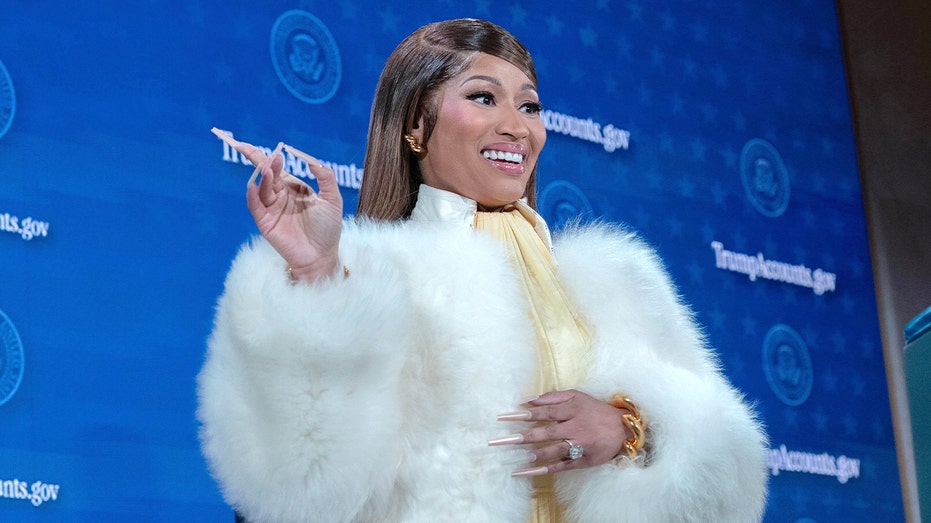
During a recent public appearance, the artist reiterated her political stance, expressing a desire for young voters to consider Republican candidates. This follows her previous public endorsements and engagement with political discourse, which has often drawn significant attention due to her large and influential fanbase.
The rapper's call to action highlights the ongoing efforts by political campaigns to mobilize younger voters, a demographic often courted by both major parties. Her specific encouragement to "vote red" indicates a clear preference for the Republican party's platform and candidates.
Minaj's influence extends beyond the music industry, and her political endorsements have been known to generate considerable discussion and impact. Her renewed call for support of the Republican party in the 2026 midterms suggests a strategic focus on energizing a particular segment of the electorate.
This endorsement comes at a time when political affiliations among younger voters are closely watched. The midterm elections are often seen as a referendum on the current administration and can set the stage for future presidential races.
While the specifics of her platform appeal to young voters were not detailed, Minaj's clear directive to "vote red" provides a concise message for her followers. The broader implications of her endorsement will likely become clearer as the election cycle progresses.
The political landscape is dynamic, and the involvement of high-profile figures like Nicki Minaj can play a role in shaping public opinion and voter turnout, particularly among demographics that may be less engaged with traditional political messaging.
This article was written by AI based on publicly available news reporting. Original reporting by the linked source.