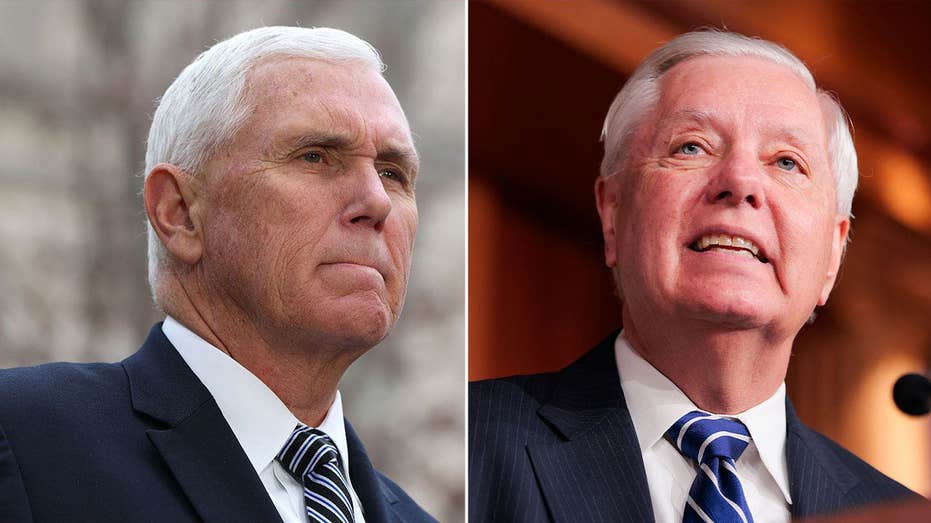
Pence Urges Renaming Russia Sanctions Bill for Graham, Recalls 'Bring Putin to the Table' Plea
Former Vice President Mike Pence is pushing to rename a Russia sanctions bill in honor of Senator Lindsey Graham, recalling his final conversation.
Former Vice President Mike Pence has called on Congress to rename a significant Russia sanctions bill in honor of Senator Lindsey Graham, citing the South Carolina Republican's dedication to confronting Russian aggression. Pence revealed his intention during a recent discussion, emphasizing Graham's crucial role in advocating for stronger measures against Moscow.
The proposed renaming highlights the bipartisan effort in Congress to hold Russia accountable for its actions, particularly in light of ongoing geopolitical tensions. Senator Graham, a prominent voice on national security and foreign policy, has consistently championed legislation aimed at imposing sanctions on Russia for its interference in democratic processes and its aggressive foreign policy.
Pence recounted his final conversation with Graham, where the senator passionately urged him to "bring Putin to the table." This statement underscores Graham's strategic approach, which sought to use sanctions and diplomatic pressure as leverage to influence Russian President Vladimir Putin's behavior and de-escalate conflicts.
The push to rename the bill signifies a broader acknowledgment of Graham's contributions to U.S. foreign policy and his unwavering stance against adversaries. As Congress considers new sanctions packages, honoring Graham's legacy through legislation would serve as a testament to his commitment to American leadership on the global stage.
Sources close to the discussions indicate that the bill, if renamed, would aim to strengthen existing sanctions and potentially introduce new ones targeting individuals and entities involved in destabilizing activities. The specific details of the bill and the proposed renaming are expected to be further elaborated as legislative proceedings advance.
This initiative comes at a critical juncture, with international scrutiny on Russia's actions intensifying. Lawmakers are increasingly focused on developing robust foreign policy tools to counter perceived threats and maintain global stability. The potential renaming of the sanctions bill reflects a desire to imbue such legislation with the spirit of determined diplomacy and resolute action that Senator Graham has long advocated.
Supporters of the renaming effort believe it would send a clear message to Russia and its allies about the United States' continued resolve. It also serves as a tribute to Graham's years of service and his significant impact on foreign policy debates within the Senate and beyond.
As the legislative process unfolds, the focus remains on crafting effective sanctions that can achieve their intended objectives while also garnering broad congressional support. The possibility of naming the bill after Senator Graham adds a layer of political and symbolic weight to these ongoing efforts.
This article was written by AI based on publicly available news reporting. Original reporting by the linked source.