Spanberger Reverses Youngkin's Girls' Sports Protections in Virginia
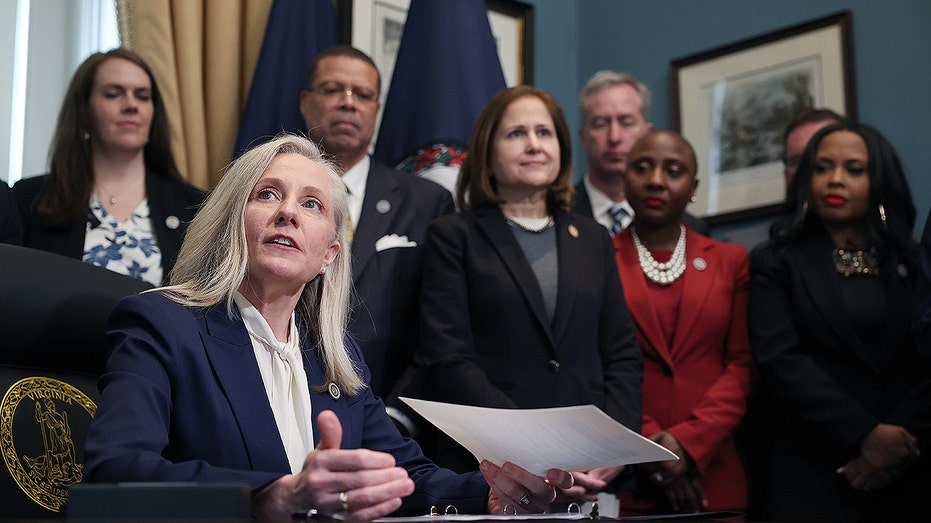
Virginia Governor Abigail Spanberger has ended a rulemaking process that would have enacted former Governor Youngkin's policies protecting girls' sports.
Virginia Governor Abigail Spanberger's administration has quietly halted a rulemaking process initiated under the previous administration that aimed to define and protect female athletic participation in schools. The decision effectively rolls back former Governor Glenn Youngkin's policies, which sought to restrict transgender athletes from competing in sports categories aligning with their gender identity.
The Virginia Board of Health had unanimously approved the proposed regulations on a 14-0 vote, signaling broad support for the measures intended to preserve competitive equity for cisgender female athletes. These rules were designed to align with policies enacted in other states following increased national debate over transgender inclusion in sports.
Governor Spanberger's administration's move to end the rulemaking process means the proposed regulations will not be finalized or implemented. This decision comes amidst ongoing discussions nationwide about how to balance inclusivity with the specific needs and protections for women's sports. The administration has not yet provided a detailed public statement explaining the rationale behind this reversal.
The implications of this decision are significant for Virginia's public school system and athletic associations. It leaves the status of transgender athletes' participation in school sports subject to existing, potentially less restrictive, policies. Advocates for the original Youngkin-era regulations have expressed disappointment, arguing that the rollback undermines efforts to ensure fair competition for female athletes.
Former Governor Youngkin's administration had proposed guidelines that would require student-athletes to compete in sports corresponding to their sex assigned at birth, unless they undergo a year of hormone therapy or surgical intervention. These guidelines were intended to address concerns raised by parents and athletes about the impact of transgender participation on the integrity of women's sports.
Supporters of the now-halted regulations argued that biological differences between males and females necessitate separate athletic categories to ensure fairness. They pointed to instances in other states where they believe transgender athletes have gained competitive advantages, potentially displacing cisgender female athletes from opportunities and awards.
Conversely, opponents of such restrictions often cite the importance of inclusivity and the potential harm to transgender youth, arguing that exclusion can negatively impact mental health and social well-being. They advocate for policies that allow transgender athletes to participate in accordance with their gender identity, often with accommodations rather than outright bans.
The Spanberger administration's decision to end the rulemaking process now places Virginia in a different position compared to states that have implemented stricter policies. The future of athletic participation policies for transgender students in Virginia remains a subject that could see further debate and potential legislative action.
This article was written by AI based on publicly available news reporting. Original reporting by the linked source.