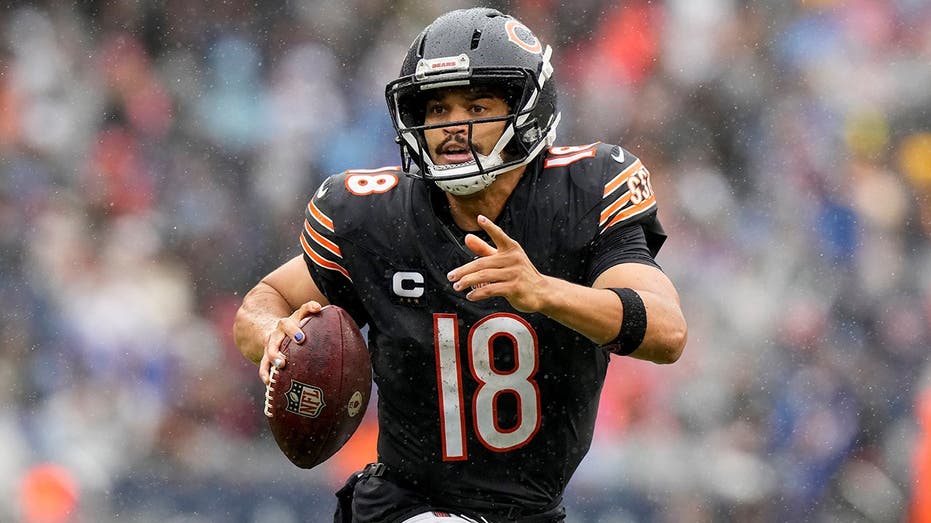
Surgeon Warns Bears' Caleb Williams Risks Reinjury if He Returns Too Soon
A surgeon cautions that Bears star Caleb Williams could reinjure his hamstring by returning to play before it is fully healed.
Chicago Bears quarterback Caleb Williams faces a significant risk of reinjuring his hamstring if he returns to play before the injury is fully healed, according to Dr. Drew Burdi, a former college football player who is now a surgeon.
Williams has been sidelined for the past three games due to the hamstring issue, a critical period for the team's season. The decision of when to clear a player to return from such an injury often involves a delicate balance between competitive needs and long-term player health.
Dr. Burdi emphasized in a recent interview that rushing back from a hamstring injury can lead to re-tears, potentially prolonging the recovery process and increasing the likelihood of future problems. He stated that players often feel pressure to return quickly, but the consequences of a premature comeback can be severe.
The implications for the Bears are substantial, as Williams is a central figure in their offensive strategy. His absence has forced the team to rely on backup quarterbacks, impacting their performance and playoff aspirations. The team's medical staff and coaching personnel will need to carefully assess the injury's progress and Williams's readiness.
Hamstring injuries are notoriously difficult to manage, as they are prone to recurrence, especially in athletes who engage in explosive movements like sprinting and cutting. The rate of re-injury can be high if players return to full activity without adequate rehabilitation and a complete recovery of muscle strength and flexibility.
According to medical experts, a typical recovery for a moderate hamstring strain can range from four to six weeks, though severe cases may require longer. This timeline is crucial for ensuring the muscle tissue has fully healed and regained its tensile strength, minimizing the risk of a setback.
The decision-making process for Williams's return will likely involve input from the team's medical professionals, who will monitor his progress through physical examinations and potentially imaging scans. Player feedback on pain levels and functional ability will also be critical factors.
Ultimately, the Bears organization faces a critical choice: prioritize immediate competitive advantage by allowing Williams to play sooner, or ensure his long-term health and effectiveness by enforcing a more conservative return timeline. The surgeon's warning highlights the significant potential downside to the former approach.
This article was written by AI based on publicly available news reporting. Original reporting by the linked source.