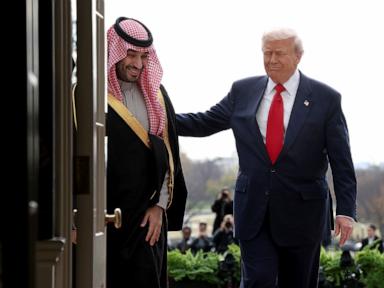
Trump's Saudi Nuclear Deal Linked to Israel Diplomacy, Raising Proliferation Fears
A new U.S.-Saudi nuclear deal may allow uranium enrichment in Saudi Arabia, sparking proliferation concerns and linking it to Israel relations.
The recently signed U.S.-Saudi nuclear energy deal opens the door for uranium enrichment to potentially occur on Saudi Arabian soil, a development that has raised significant concerns among nuclear proliferation experts due to a perceived omission of expanded international oversight requirements. The agreement, finalized this week between the two governments, is being scrutinized for its potential implications on global nuclear safety and security.
This development occurs as former President Donald Trump seeks to build upon a significant diplomatic achievement from his previous administration. However, revelations regarding the deal's specific terms are now fueling speculation that Saudi Arabia's future enrichment capabilities may be directly tied to its willingness to establish diplomatic relations with Israel. This linkage introduces a complex geopolitical dimension to the nuclear cooperation.
President Trump publicly stated on Thursday that the U.S. approval of the nuclear deal is contingent upon Saudi Arabia joining the Abraham Accords, a series of normalization agreements between Israel and several Arab nations initiated during his first term. He also asserted that there would be no enrichment of materials, claims that sources familiar with the signed agreement told ABC News are not explicitly included in the current text. Officials, however, anticipate these matters could be addressed through future diplomacy.
The nuclear cooperation agreement itself stipulates that any future Saudi enrichment activities will be determined only after a two-year U.S.-led study examining the commercial viability of enrichment versus importing nuclear fuel. This provision allows the U.S. administration the option to withhold enrichment technology transfer, even while cooperating with Saudi Arabia on the development of nuclear energy plants.
Experts like Richard Nephew, a former State Department and National Security Council official, have expressed reservations about linking Saudi enrichment to recognition of Israel. "It just seems to me that we're adding more complexity there, and I am at least a little bit suspicious that that will be harder to pull off," Nephew commented, suggesting the added conditionality could complicate the situation.
Officials from the Trump administration, however, believe the structure of the agreement provides leverage over Riyadh. The timing of the two-year study, set to conclude shortly before the end of Trump's potential next term, is seen by administration officials as an adequate window to broker a normalization deal between Israel and Saudi Arabia.
Simon Henderson, a senior fellow at the Washington Institute specializing in Gulf affairs, noted that the issue of normalization could be integrated into the ongoing discussions about the necessity of Saudi enrichment. "It could also be [that] the issue of normalization could also be shuttled into this supposed two-year... discussion on the actual need for enrichment," Henderson stated.
While White House press secretary Karoline Leavitt has not directly commented on the specifics of the deal's linkage to the Abraham Accords, the administration's public statements suggest a strategic approach to leveraging the nuclear agreement for broader diplomatic objectives in the Middle East.
This article was written by AI based on publicly available news reporting. Original reporting by the linked source.