Ebola Cases Triple in DRC; WHO Warns of Rapid Spread Amid Distrust
Suspected Ebola cases in DRC have tripled in a week, with the WHO warning of rapid spread and citing community distrust as a major hurdle.
The Democratic Republic of the Congo is facing a rapidly spreading Ebola outbreak, with the World Health Organization (WHO) on Friday revising its threat assessment to "very high" for the country. The organization reported that suspected cases have nearly tripled in just one week, now standing at almost 750, with 177 suspected deaths.
This alarming increase follows a report from the previous week which documented 246 suspected cases and 65 deaths. WHO Director-General Dr. Tedros Adhanom Ghebreyesus described the situation as "deeply worrisome" and highlighted significant challenges in containing the virus.
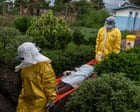
Adding to the crisis, medical staff attempting to establish an Ebola treatment center in Rwampara, Ituri province, had tents and supplies set on fire. Reports indicate the incident stemmed from anger over a crowd not being allowed to retrieve the body of a local man who died at the hospital. Ebola patient remains require specific burial protocols to prevent further transmission.
Dr. Tedros emphasized that "significant distrust of outside authorities among the local population" is severely impeding the response efforts. He stated that building trust within affected communities is paramount for a successful containment strategy and is a top priority for the WHO.
The WHO's representative in the DRC, Dr. Anne Ancia, warned that the attack on the Rwampara treatment center would "significantly jeopardise" the ongoing response operations in the region. The facility was intended to isolate Ebola patients from others within the hospital to prevent cross-infection.
Despite the setback, Dr. Ancia expressed optimism that the treatment center could be operational again within 24 hours. The current outbreak is attributed to the Bundibugyo strain of the Ebola virus, a detail that may inform response strategies.
The challenges underscore the complex nature of combating infectious diseases in regions grappling with historical mistrust and logistical hurdles. Aid cuts, if ongoing, could further exacerbate the situation by limiting essential resources and personnel needed to manage the outbreak effectively.
Officials are working to balance the urgent need for medical intervention with the critical requirement of gaining community cooperation. The success of controlling this escalating outbreak hinges not only on medical and logistical capabilities but also on fostering a relationship of trust with the populations most at risk.
This article was written by AI based on publicly available news reporting. Original reporting by the linked source.