Ebola Outbreak Devastates Lives and Incomes in Bunia
Ebola outbreak in Bunia, DRC, claims lives and livelihoods of public-facing workers, including a headteacher, taxi driver, and travel agent.
Bunia, Democratic Republic of Congo – The Ebola virus is exacting a heavy toll on the residents of Bunia, the capital of Ituri province, impacting not only lives but also the incomes of those in public-facing roles. Headteachers, motorcycle taxi drivers, and travel agents are among those grappling with the devastating human and economic consequences of the ongoing epidemic.
Nearly six years after the last Ebola outbreak in Ituri was declared over, the province's capital, Bunia, has been reliving its fears for the past month as a new epidemic takes hold. The health ministries of the DRC and neighboring Uganda announced outbreaks on May 15, though the virus is believed to have been circulating undetected for weeks prior. The World Health Organization has declared the epidemic a public health emergency of international concern.
Justin Keno, a headteacher at Nelson Mandela school, watches over 400 pupils daily, wondering if any might be carrying the virus. He has implemented stringent preventive measures, including hand-washing stations, alcohol-based hand rub, packed lunches, and a ban on external food vendors. However, he acknowledges the virus's unpredictable nature, stating that children come from various neighborhoods, some declared epicenters, making it impossible to know who might be infected.
The epidemic is caused by the rare Bundibugyo virus, for which there is no vaccine or approved treatment. As of June 10, the virus had caused 136 deaths from 676 confirmed cases in the DRC, according to a government report. In Uganda, as of June 6, there were two deaths from 19 confirmed cases, according to the WHO. Responders are working urgently to contain the spread.
The economic fallout is significant, particularly for those whose livelihoods depend on public interaction. Motorcycle taxi drivers, essential for transport in Bunia, face increased risks of exposure and a decline in passengers due to fear and movement restrictions. Travel agents are also struggling as travel plans are disrupted and potential clients are hesitant to engage.
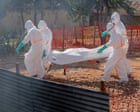
Healthcare workers are on the front lines, facing immense personal risk. Images show medical teams preparing bodies for burial, highlighting the dangerous and emotionally taxing nature of their work. Disinfection procedures are a constant necessity, underscoring the pervasive threat of the virus.
The outbreak has also led to significant disruptions in daily life and commerce. Public spaces, once bustling with activity, are now sites of heightened caution. The fear of infection permeates communities, affecting social interactions and economic activities alike.
As the situation evolves, questions remain about the long-term impact on Bunia's economy and the well-being of its residents. The government and international health organizations continue their efforts to control the epidemic, but the path to recovery for those affected, both personally and financially, appears challenging.
This article was written by AI based on publicly available news reporting. Original reporting by the linked source.