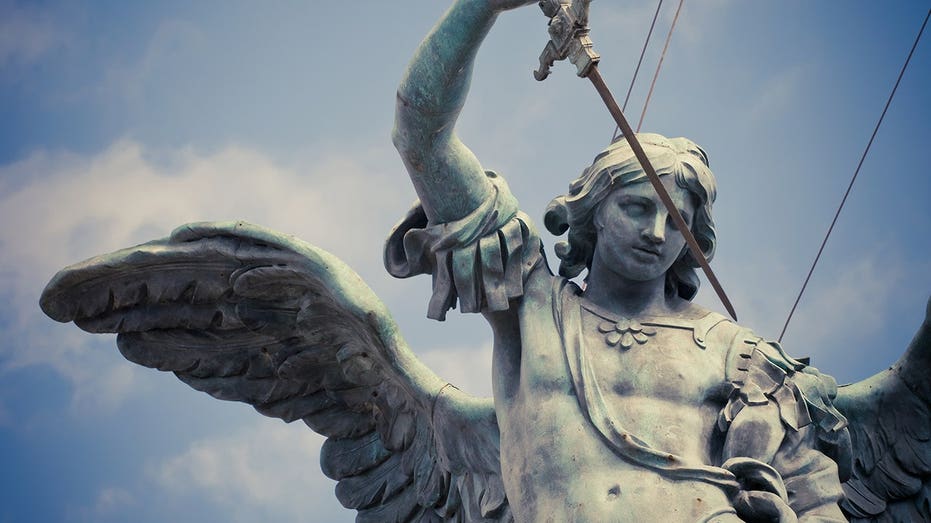
Supreme Court to Hear Case on St. Michael Statue on Public Property
The Supreme Court will decide if a St. Michael statue can remain on public property, sparking a legal fight over religious displays.
The U.S. Supreme Court has agreed to hear a case concerning the display of a St. Michael statue on public property, potentially setting a precedent for religious symbols on government land.
The legal battle centers on the statue's placement, which has drawn objections from individuals who argue it violates the Establishment Clause of the First Amendment, prohibiting government endorsement of religion.
Arguments in the case are expected to focus on whether the statue constitutes a governmental endorsement of religion or if it serves a permissible secular purpose, such as honoring law enforcement or acknowledging historical figures. The specific location and context of the statue will be crucial in the Court's deliberation.
The Supreme Court's decision could have significant implications for how religious symbols are treated on public property across the nation, affecting numerous existing displays and future proposals.
Proponents of the statue argue it represents a figure of protection and justice, particularly relevant in the context of a public safety building, and does not inherently endorse a specific religion. They contend that prohibiting such displays can lead to censorship and limit freedom of expression.
Opponents, however, maintain that any religious iconography on government-owned land, especially buildings dedicated to public services, inherently conveys a message of government favoritism towards religion. They cite previous Supreme Court rulings that have addressed the separation of church and state.
The case has garnered attention from various religious and civil liberties groups, with amicus briefs likely to be filed by organizations on both sides of the issue. The outcome could influence how similar disputes are resolved in lower courts.
Legal experts anticipate that the Court may refine its established tests for evaluating religious displays on public property, potentially clarifying the boundaries between permissible acknowledgment and unconstitutional establishment of religion.
This article was written by AI based on publicly available news reporting. Original reporting by the linked source.