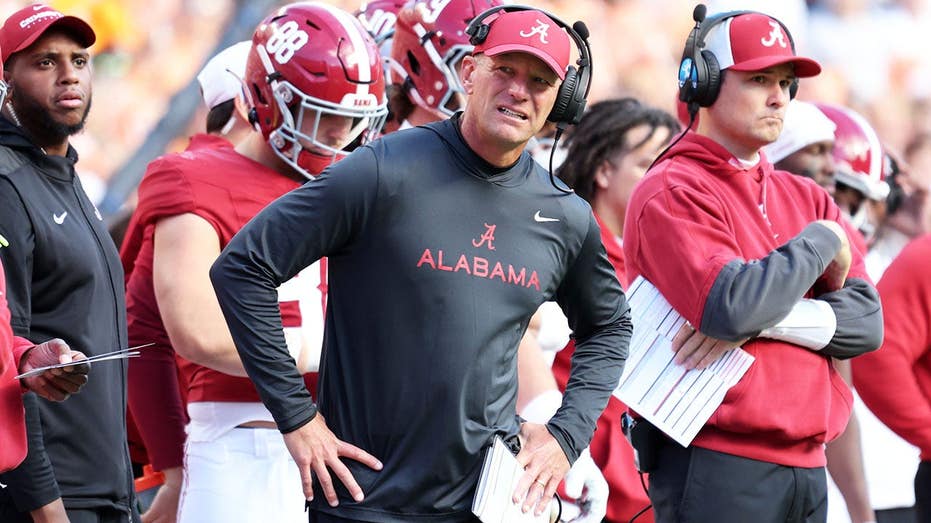
Tennessee Fans Shatter Noise Record, Rattling Alabama Coach DeBoer
Tennessee fans set a new crowd noise record of 130.3 decibels during a game against Alabama, reportedly unnerving coach Kalen DeBoer.
Tennessee Volunteers fans achieved a record-shattering crowd noise level of 130.3 decibels during a recent game against Alabama, a figure that has surpassed all previously scientifically verified records for stadium acoustics. The deafening roar from the crowd at Neyland Stadium was so intense that it reportedly unsettled Alabama head coach Kalen DeBoer.
The unprecedented noise level highlights the passionate and often overwhelming atmosphere that Tennessee's home games can generate, particularly in pivotal matchups. This event underscores the significant role that fan energy can play in influencing the dynamics of a high-stakes football contest.
Sources indicate that the sheer volume of the crowd's reaction during key moments of the game left the Alabama coaching staff, including DeBoer, visibly flustered. The sustained cacophony created an environment intended to disrupt the opposing team's communication and concentration.
This record-breaking noise event not only sets a new benchmark for fan-induced sound but also raises questions about the psychological impact such extreme levels can have on visiting teams and coaches. The ability of a stadium's crowd to reach such decibel levels could be a significant factor in future game strategies and preparations.
The previous records for crowd noise in sports venues have often been a point of contention and pride for fan bases. Tennessee's achievement now places them at the forefront of this particular aspect of game-day experience. The exact circumstances that led to the peak decibel reading are under review, but the consensus is that the stadium reached an extraordinary level of sound.
This incident also brings to the forefront the tactical use of crowd noise as a home-field advantage. While not a new strategy, the extreme decibel level achieved by Tennessee fans suggests a new frontier in leveraging fan support to disrupt opponents. The implications for future games, both for Tennessee and other teams seeking to replicate such an environment, are considerable.
While the focus remains on the record-breaking noise, the context of the game itself – a significant rivalry match between SEC opponents – amplified the crowd's energy. The outcome of the game, influenced by the intense atmosphere, will be a key indicator of how effectively Tennessee can capitalize on its home-field advantage moving forward.
Further analysis will likely explore the long-term effects of such noise levels on player performance and the potential for implementing measures to mitigate or manage extreme crowd noise in professional and collegiate sports.
This article was written by AI based on publicly available news reporting. Original reporting by the linked source.